Our Learners
Our focus is on children and young people with Speech Language and Communication needs. Many students with other SEN labels also have SLCN, with some groups at higher risk than others. For example:
- Those with autism and autistic spectrum disorders
- Those with dyslexia
We will give priority to students with EHCP who have a primary diagnosis of autism and have also been diagnosed as having difficulties with speech, communication and literacy which are preventing them from learning in a mainstream setting. Each application will be assessed on an individual basis. In each case we will take account of the needs of the individual child and consider whether the school will be suitable for them. We currently have 2 education pathways. GCSE pathway and the Blenheim Pathway.
For the GCSE pathway We will consider students who:
- Are aged between 9 (year 5) and 18 (year 13) at the time of admission.
- Have assessment or achievement data that reflects the low average to above average ability range
- Have an EHC Plan which indicates specific difficulties with Speech Language and Communication needs
- May have additional difficulties associated with the main Speech Language and Communication diagnosis
Behavioural Indicators include:
- Difficulties in following instructions and concentration which makes an ordinary classroom setting difficult without high levels of support and structure;
- Highly atypical behaviour such as obsessive, challenging and/or withdrawn behaviours linked to communication difficulties
- Inappropriate use of language, abnormal responses to sensory experiences and poor communication leading to distress or emotional disturbance
- Highly inappropriate social behaviour leading to rejection by peers and social isolation, due to speech delay or inability to express themselves
- Poor progress as a result of language and literacy difficulties.
For the Blenheim pathway, we will consider students that have the above but are working at about 3 to 4 years below age related expectations. Students considered for this pathway are currently aged between 11 (year 7) and 14 (year 9).
We do not cater for students with moderate or severe social, emotional and mental health (SEMH) difficulties or moderate or severe learning difficulties (SLD) as part of their primary need.

Our Facilities
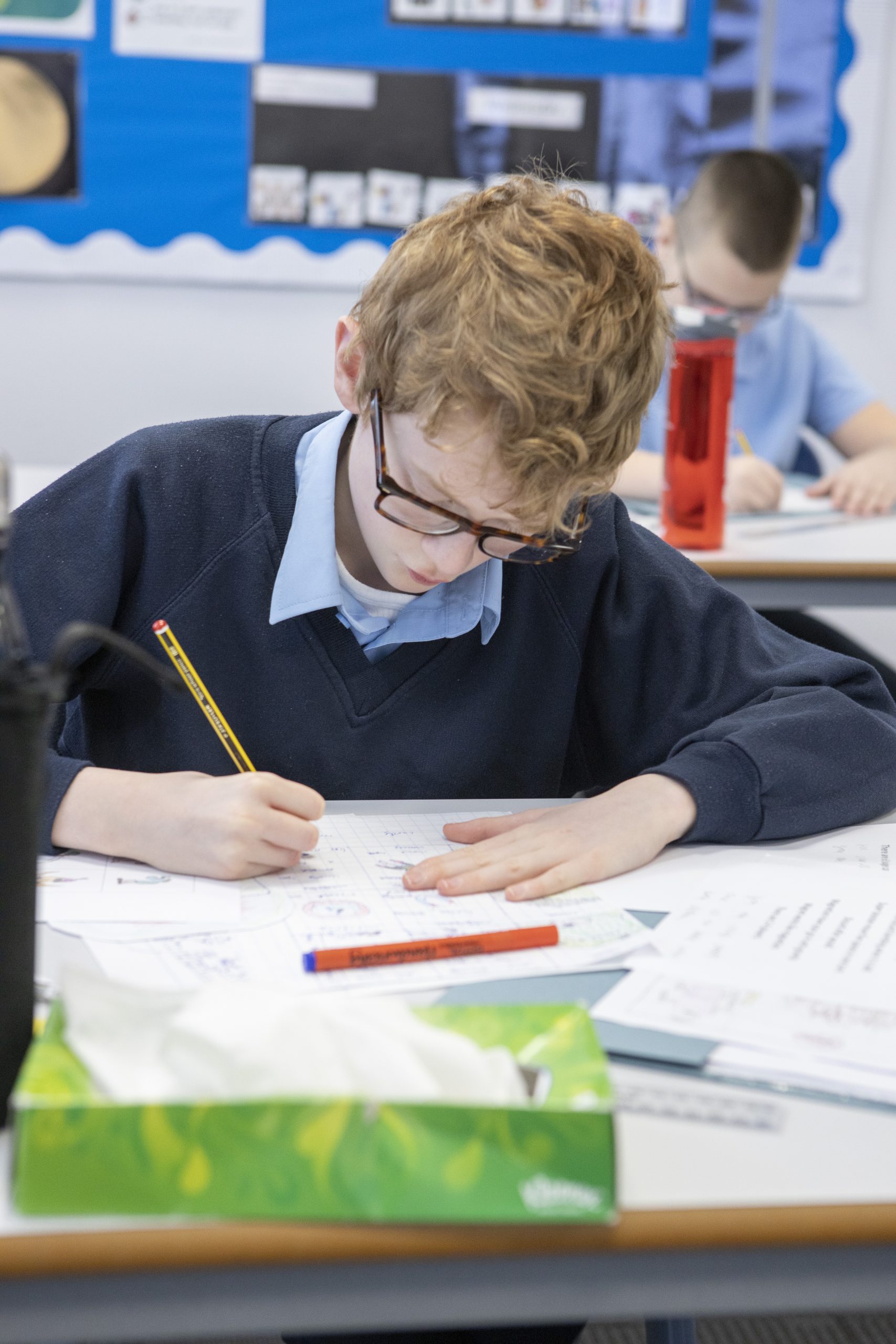
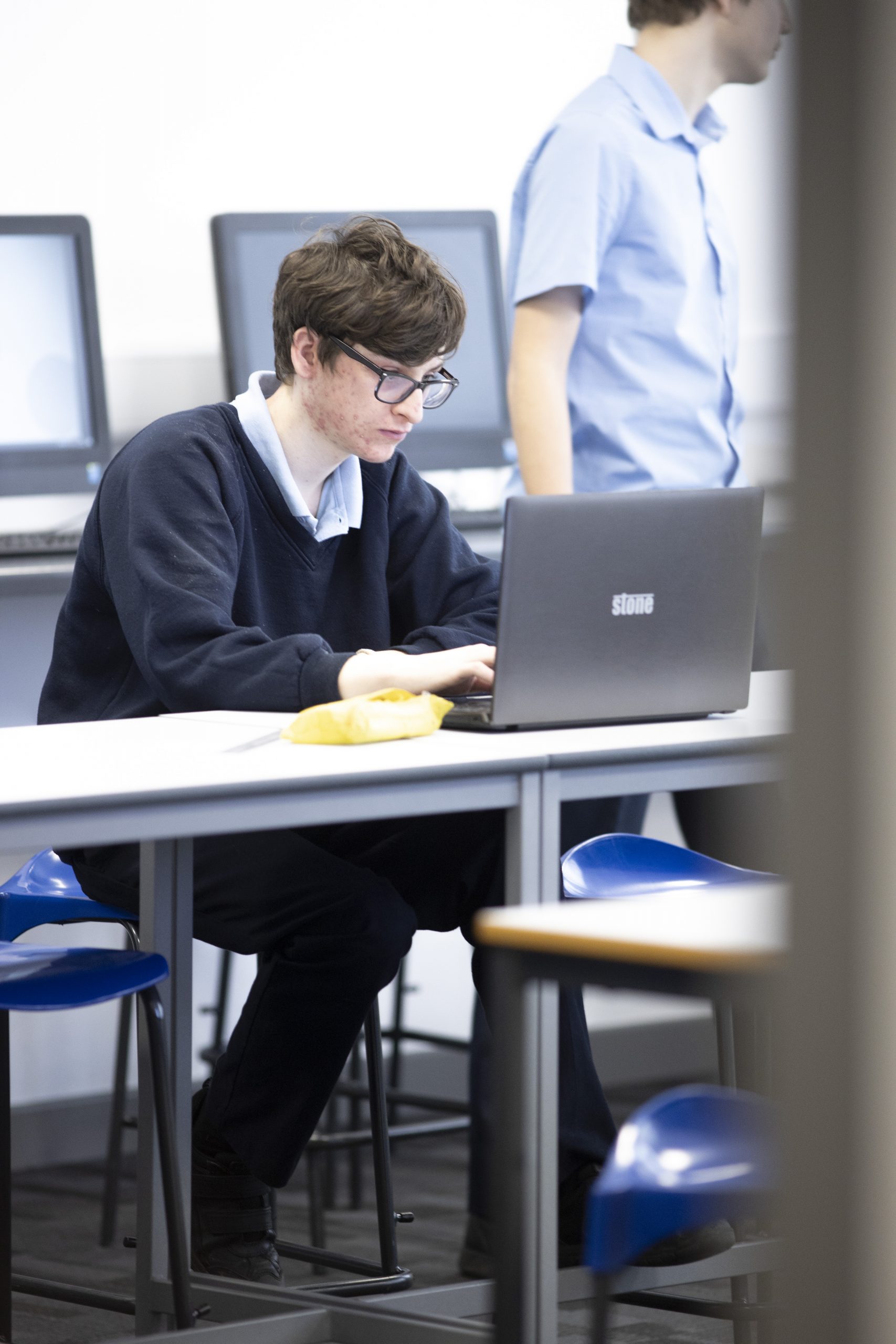
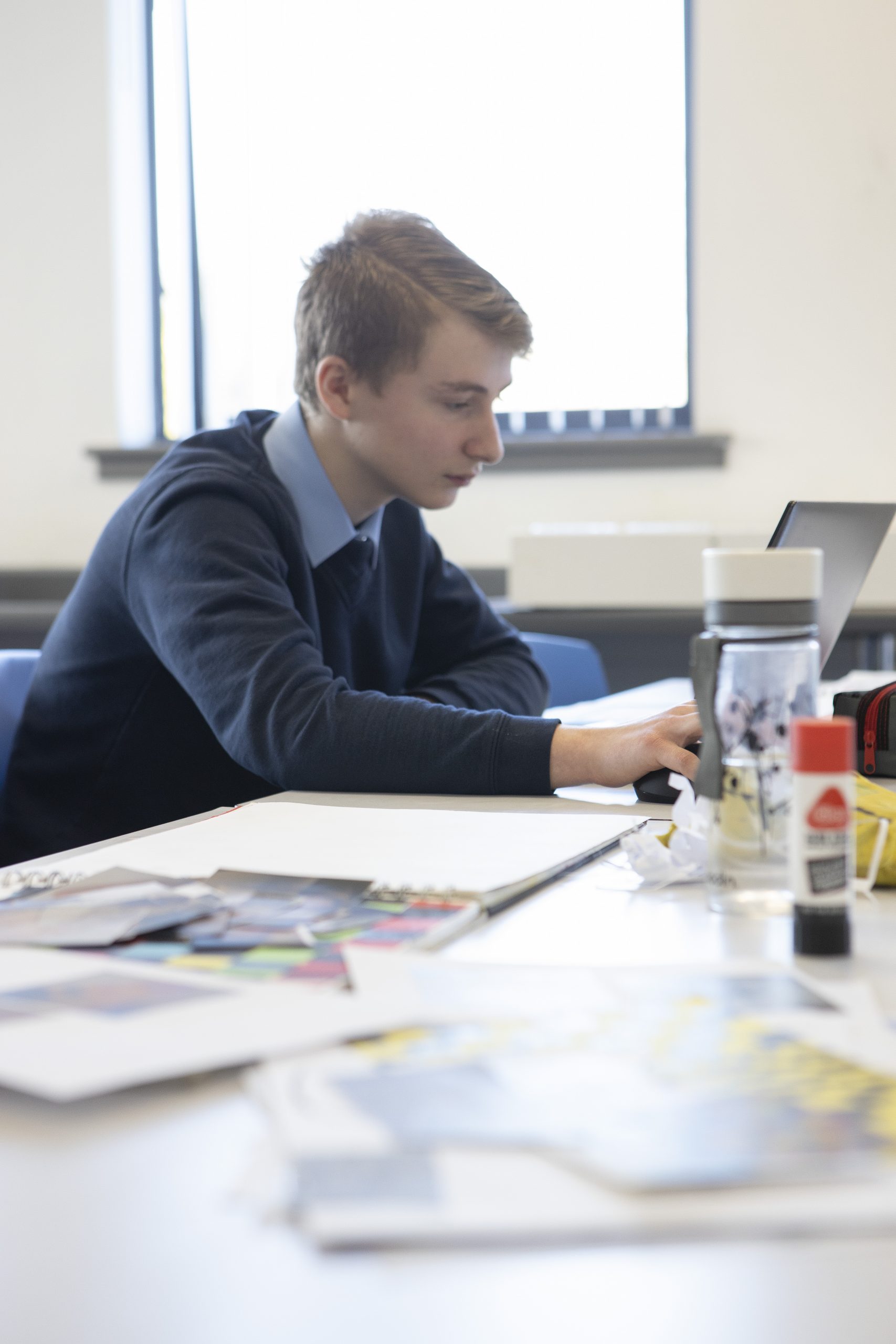
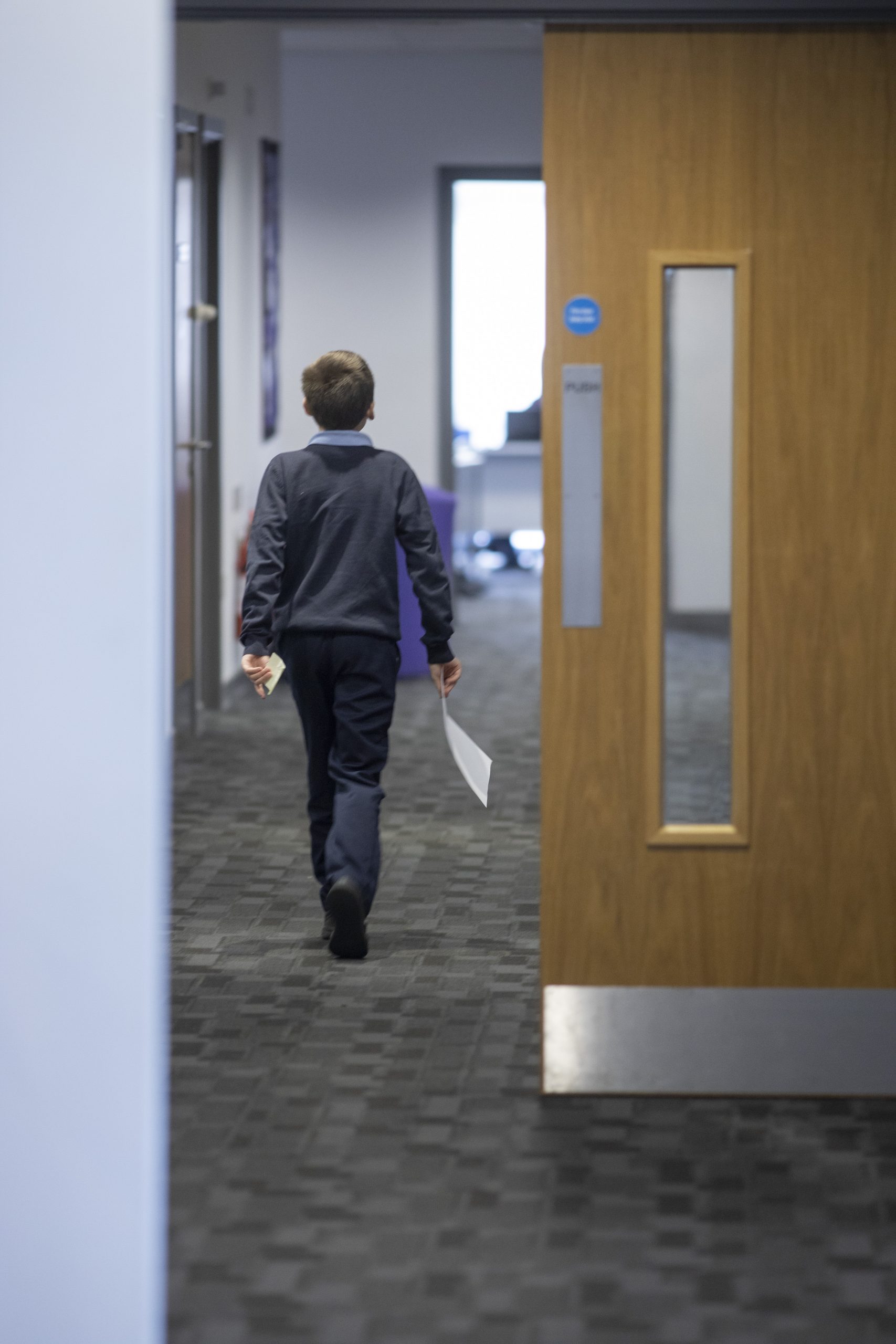
Churchill School is a modern, purpose built school where student need was at the heart of the building design. It comprises a range of different sized teaching areas which are equipped with appropriate furniture. There are individual work stations for students who benefit from working in this way as well as seating to facilitate 1-1 and small group work.
There are many features of the building which support an appropriate learning environment including insulation to reduce noise, appropriate flooring and carefully chosen lighting. The decoration in the building is supportive of students’ needs.
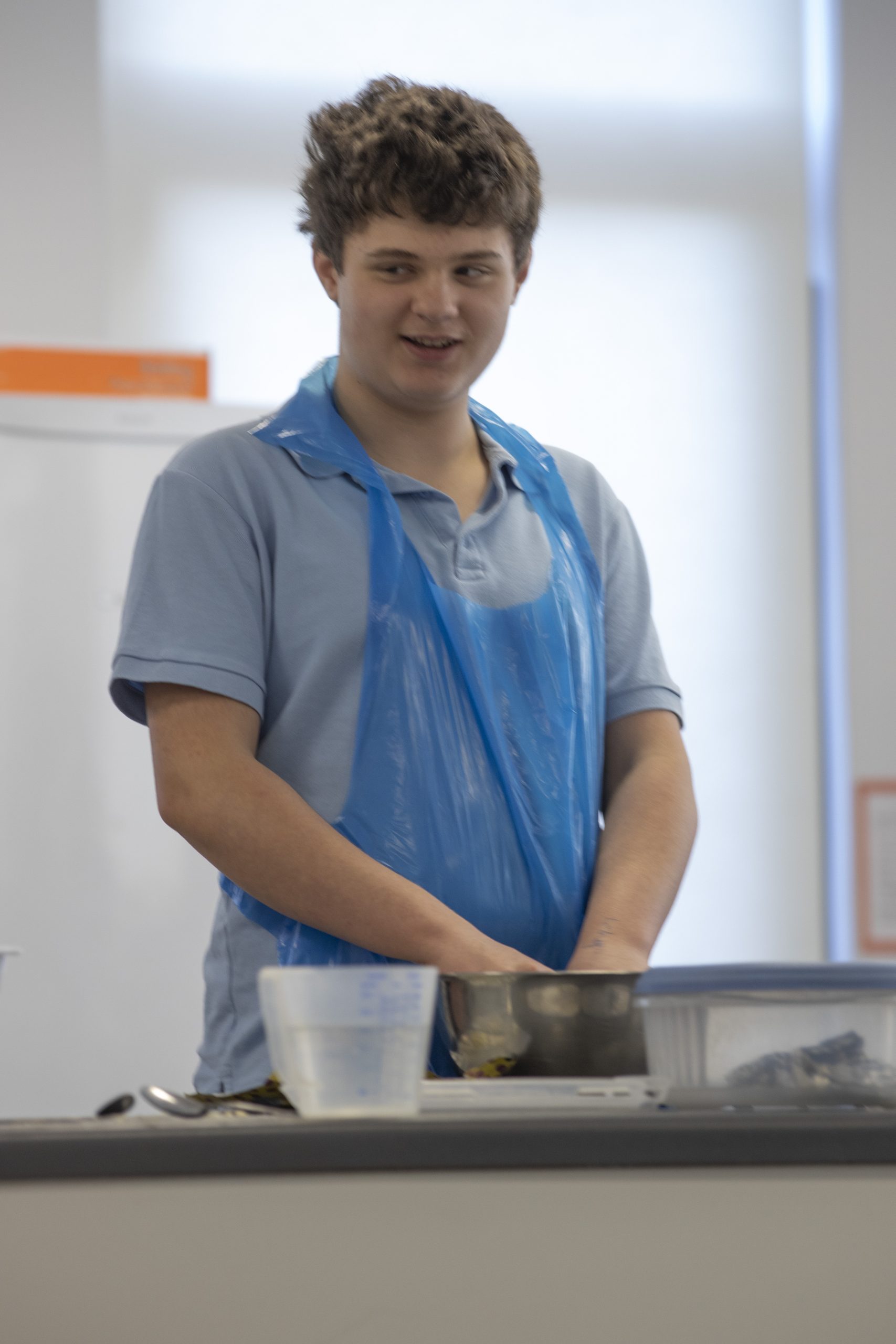
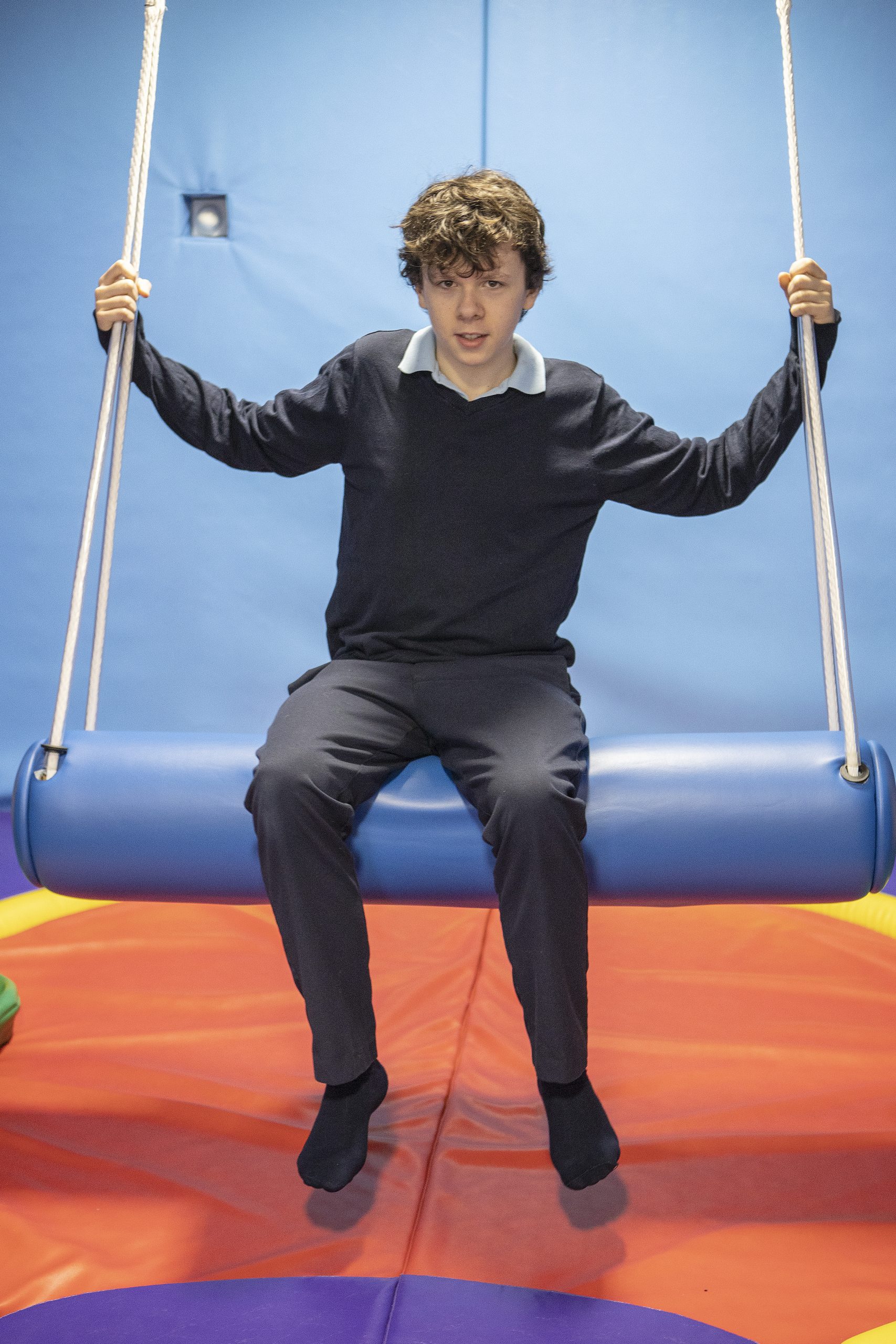
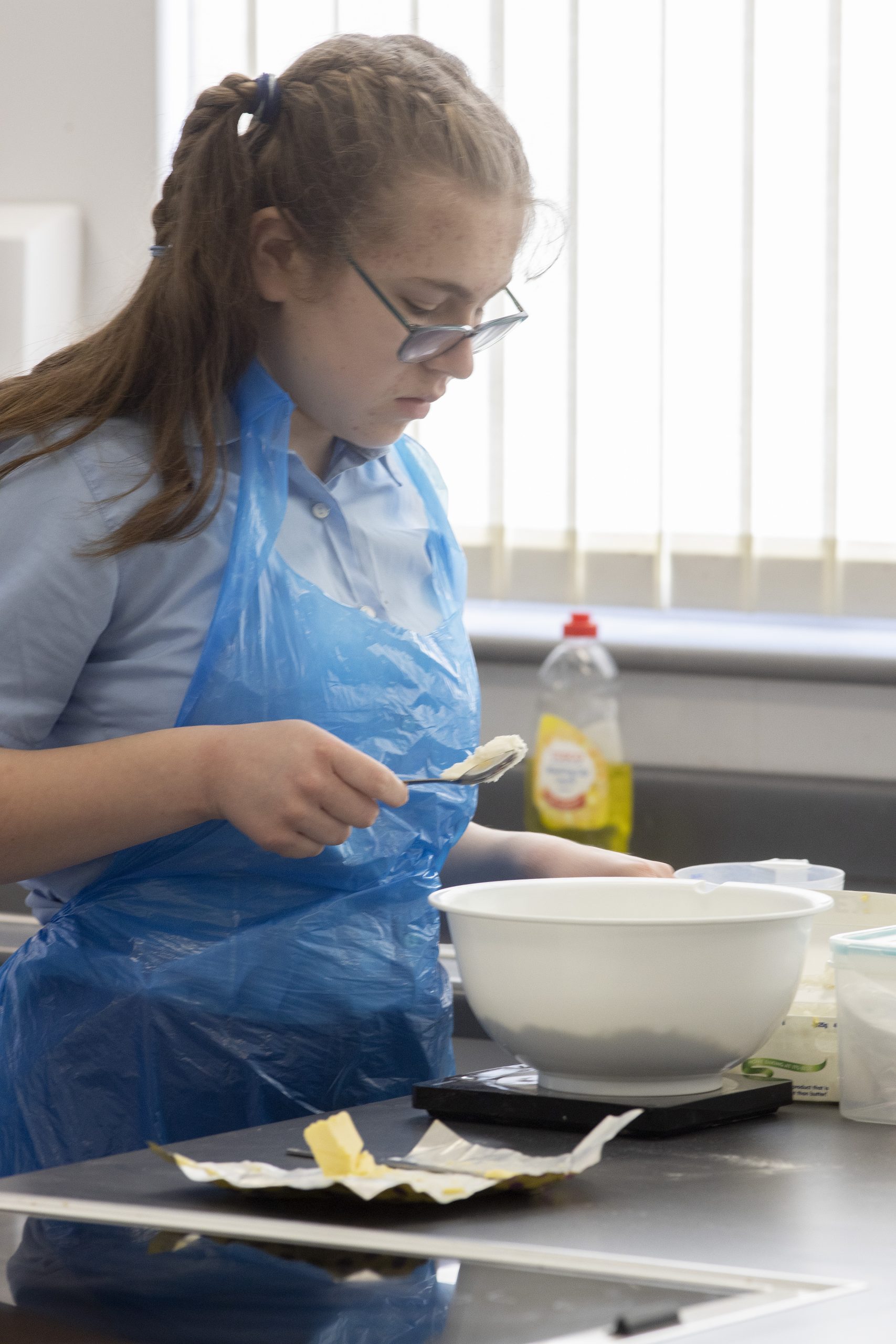
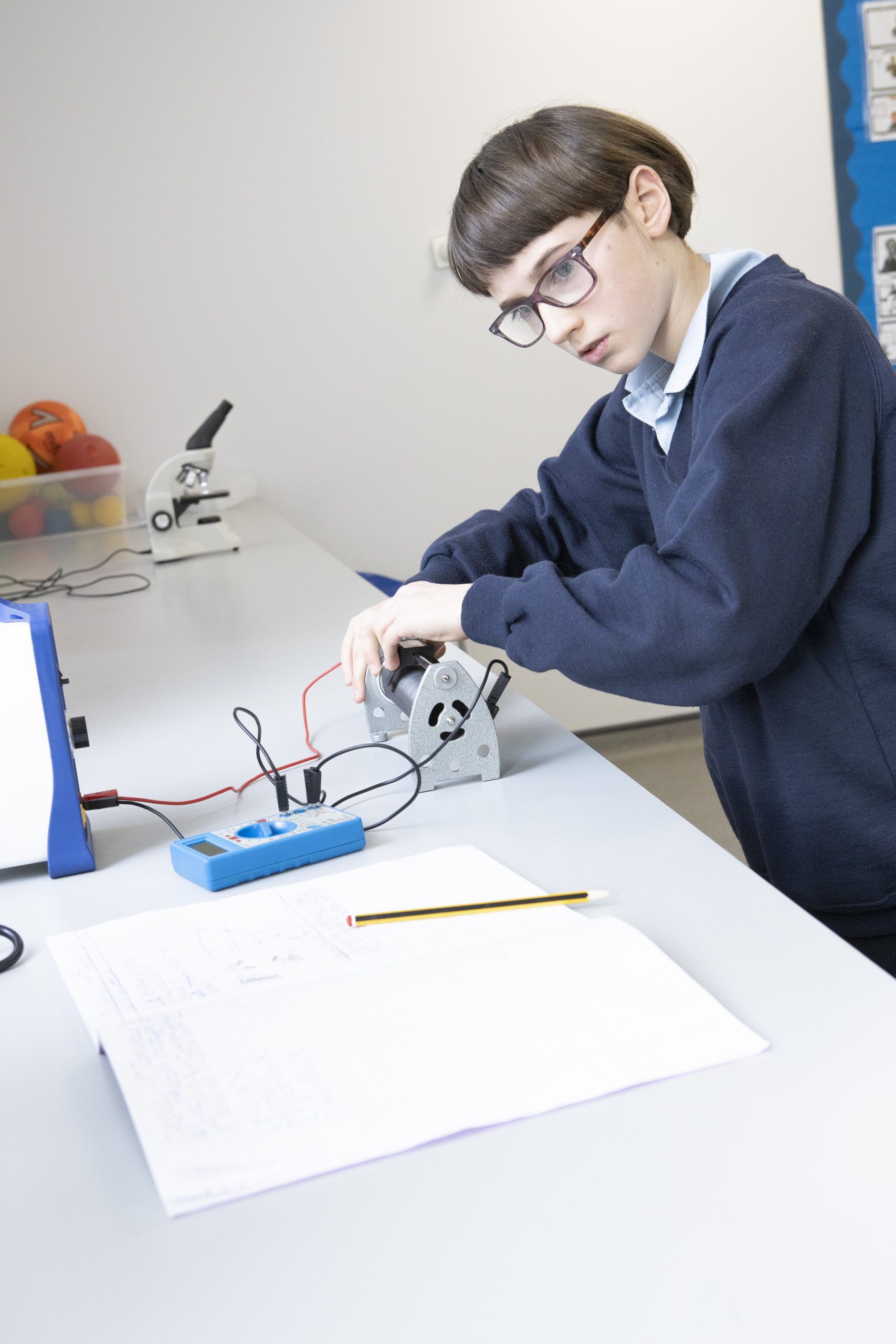
There are a number of specialist teaching spaces including a science lab, cookery room and a graphics and textiles room. Throughout the building are a three calming rooms, a swing room and a sensory room. The dining room provides opportunities to eat alone or in small groups – at tables or bistro style. Upstairs there is a life skills area.


